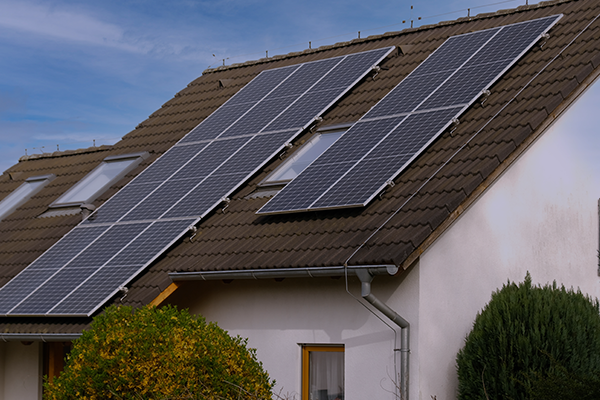
Solar panels continue to grow in popularity as businesses and homeowners seek cleaner, more efficient and more sustainable sources of energy. For many clients, solar and photovoltaic (PV) systems offer clear long-term benefits: reduced energy bills, lower carbon impact, and, in some cases, the potential to sell excess electricity.
As adoption increases across the UK, it is essential that brokers and policyholders understand not only the advantages but also the responsibilities that come with installing and maintaining these systems—particularly where fire safety is concerned. While solar panels remain safe when correctly installed and maintained, poor workmanship or a lack of regular inspection can significantly increase fire risk. This article provides a balanced view for brokers and policyholders: supporting the benefits of clean energy while highlighting essential safeguards that help protect people, property, and continued insurance cover.
Fires involving solar-panel systems remain uncommon in the UK, but incidents have gradually increased as installations become more widespread. A government-commissioned study by the Building Research Establishment (BRE) describes the overall incidence as “very low”, while also emphasising the need for robust installation standards and ongoing system checks.
UK fire services recorded just three solar-related fires in 2010, but this figure has since risen substantially, highlighting the growing need for proper installation standards and ongoing maintenance. While causes are still being analysed across the industry, UK guidance consistently highlights that the primary risks arise not from the panels themselves, but from poor installation, electrical faults, unsuitable roofing materials, or a lack of ongoing inspection and maintenance. When installed correctly and supported by routine checks, solar-panel systems remain safe, effective and low-risk.
Ensuring installations are safe, compliant and appropriately maintained is essential—not only for reducing risk but also for ensuring that insurance cover remains valid.
To reinforce this, we have a Solar and Photovoltaic Panels Condition within our policy wordings. Brokers play a key role in ensuring clients understand these requirements.
We require the following for any solar or photovoltaic panels installed at an insured’s premises:
Secure Mechanical Fixing – Solar panels must be securely and mechanically fixed to the building structure. They must not be held in place by ballast alone, as movement or uplift can increase structural and electrical risk.
Installed by a Qualified and Competent Electrical Contractor – Installation by an accredited professional is essential. Poor-quality installation is one of the leading contributors to solar-related fire risk.
Installed on Standard Roof Types – Panels must not be installed on living roofs, felt-on-timber roofs or roofs containing combustible panelling. These materials increase the potential for fire spread and reduce tolerance for electrical faults.
Annual Fire and Structural Risk Assessments – A suitable and sufficient annual assessment must be undertaken and recorded.
Monthly Visual Inspections – Panels and surrounding areas must be visually inspected monthly to ensure they are free from debris or waste build-up. Any obstruction must be cleared to prevent hotspots and reduce combustion potential.
Maintenance by a Competent Electrical Contractor – Routine maintenance must follow manufacturer and installer recommendations. Checks must include the panels, anchoring, switchgear, electrical connections, and any battery energy storage system.
Records of all maintenance and inspections must be retained and made available upon request.
Brokers can play a crucial role in helping policyholders get the most from their solar installations by encouraging a proactive approach to safety and maintenance. This involves ensuring clients fully understand the conditions of cover, keep accurate records, and address any issues—such as visible damage, debris build-up, or electrical concerns—at the earliest opportunity. Clear communication at the point of sale and throughout the policy lifecycle helps prevent avoidable incidents and supports long-term compliance.
As the UK continues to embrace renewable energy, solar installations will play an increasingly important role in creating a more sustainable future. Our aim is not to discourage the use of solar technology, but to ensure it is installed and maintained safely so policyholders can enjoy its full benefits without unnecessary risk. By working closely with clients to highlight key safety considerations and policy conditions, brokers can help protect both the property and the validity of the insurance cover—offering reassurance, resilience and peace of mind for years to come.